Why Restaurants Need Specialized Bookkeeping
- TaxWiseCT

- May 26
- 3 min read
Running a restaurant in Connecticut means managing more than just food and service. The financial side of a restaurant is complex and requires specialized bookkeeping. Unlike other industries, restaurants face unique challenges that make standard bookkeeping insufficient. Understanding these differences can help small restaurants and family-owned businesses stay profitable and compliant.

High Transaction Volume
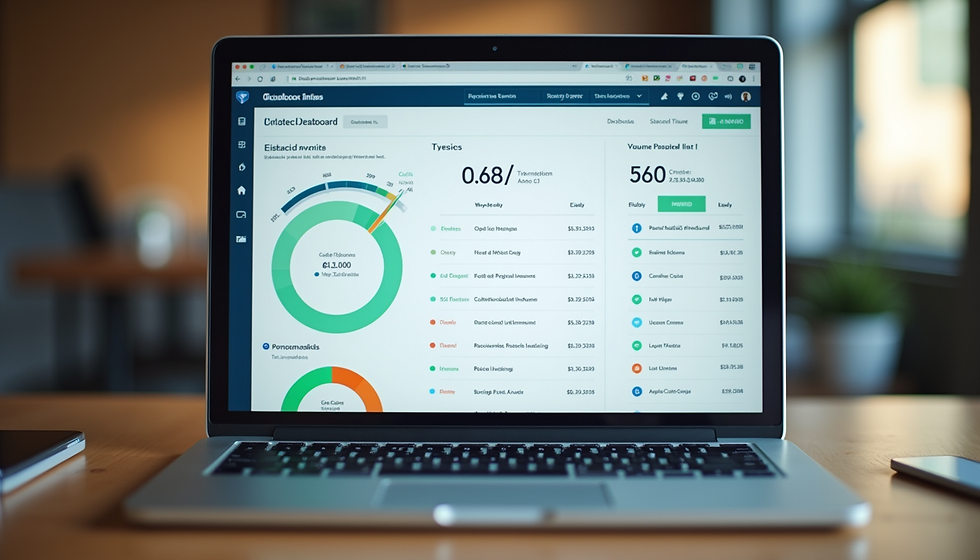
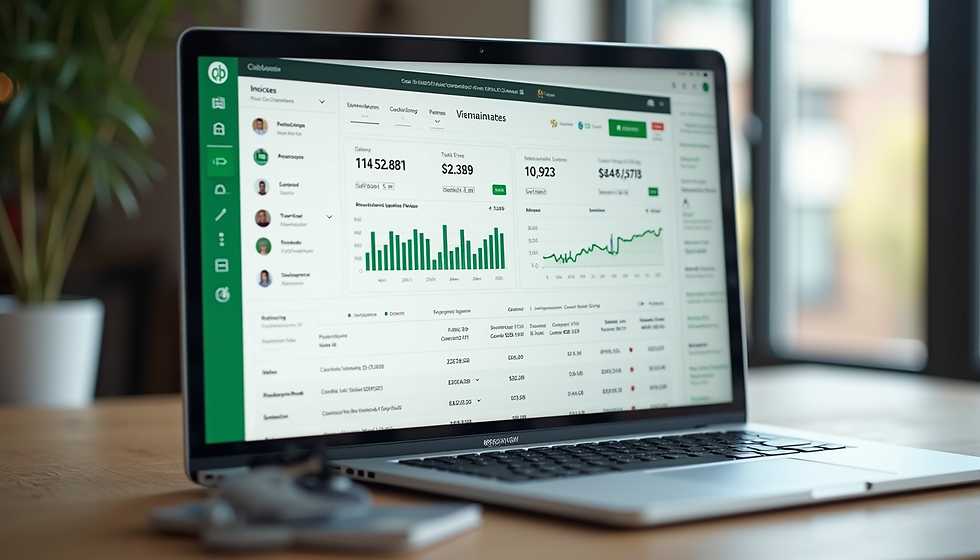
Restaurants process many transactions daily, from dine-in orders to takeout and delivery payments. This high volume demands accurate and fast bookkeeping to track every sale. For example, a small family-owned diner in Hartford might handle hundreds of transactions each day, making manual bookkeeping prone to errors. Using QuickBooks for restaurants can automate this process, reducing mistakes and saving time.
Managing Tips and Payroll
Tips add complexity to restaurant payroll. Employees often receive cash tips, credit card tips, or both, which must be recorded correctly for tax purposes. A restaurant accountant in CT knows how to handle these nuances, ensuring compliance with IRS rules. For instance, a family-run café in New Haven benefits from specialized restaurant payroll services that separate tips from wages and calculate taxes accurately.
Tracking Food Inventory
Food inventory management is critical in restaurants. Spoilage, theft, and over-ordering can eat into profits. Bookkeepers specialized in restaurants track inventory closely, linking it to sales data. This helps owners spot waste and adjust orders. A small seafood restaurant in Mystic might use inventory reports to compare fish purchases with sales, preventing costly losses.
Monitoring Prime Costs
Prime costs include food and labor expenses, often making up 60-70% of a restaurant’s total costs. Keeping these costs in check is vital for profitability. Specialized bookkeeping tracks these expenses separately, giving owners clear insights. For example, a family-owned pizzeria in Stamford can monitor prime costs monthly to adjust menu prices or staffing levels.
Handling Sales Tax
Restaurants in Connecticut must collect and remit sales tax on food and beverages, which varies depending on the item and service type. A restaurant accountant CT expert ensures sales tax is calculated correctly and filed on time. Mistakes can lead to penalties, so precise bookkeeping is essential.
Managing Cash Handling
Cash transactions are common in restaurants, increasing the risk of theft or mismanagement. Specialized bookkeeping includes controls like daily cash reconciliations and deposit tracking. A small diner in Bridgeport might implement these controls to protect its cash flow and maintain accurate records.
Tracking Profit Margins and Labor Costs
Profit margin tracking helps restaurant owners understand which menu items perform best and where to cut costs. Labor cost monitoring ensures staffing matches business needs without overspending. Specialized bookkeeping systems provide detailed reports, helping owners make informed decisions. For example, a family-owned bistro in New London can use these reports to schedule staff efficiently during busy weekends.
Restaurants face unique financial challenges that require specialized bookkeeping. From handling tips and payroll to tracking inventory and sales tax, every detail matters. Small restaurants and family-owned businesses in Connecticut can benefit greatly from expert restaurant bookkeeping Connecticut services. Using tools like QuickBooks for restaurants and partnering with a knowledgeable restaurant accountant CT can improve accuracy and profitability.
If you own a restaurant in Connecticut, consider professional bookkeeping services tailored to your industry. Accurate financial records help you focus on what matters most: serving great food and growing your business.

Comments